Choosing a Measuring Company in Vancouver - 2026 guide
Learn how to select a measuring company in Vancouver. Compare 3D laser scanning, Scan-to-BIM workflows, and BC Building Code compliance for your next project.
BUILDING PERMIT VANCOUVER
Emil Jordan
3/9/20265 min read
Accurate building measurements are the foundation of every successful renovation, design, or construction project. Whether you are planning a residential renovation, commercial tenant improvement, or heritage restoration, reliable as-built drawings and existing conditions documentation are essential.
In Vancouver and the Lower Mainland, projects often involve older buildings, tight urban sites, and strict municipal permitting requirements. Small measurement errors can lead to permit delays, change orders, or expensive construction mistakes.
This guide explains how to choose the right measuring company in Vancouver, what technologies to look for, and when professional measurement services such as 3D laser scanning and Scan-to-BIM modeling become necessary.
Why Accurate Building Measurements Matter
Before architects or designers can begin their work, they need an accurate representation of the existing building. These drawings are commonly called as-built drawings or existing conditions drawings.
Without reliable measurements, design teams risk working from incomplete or inaccurate information.
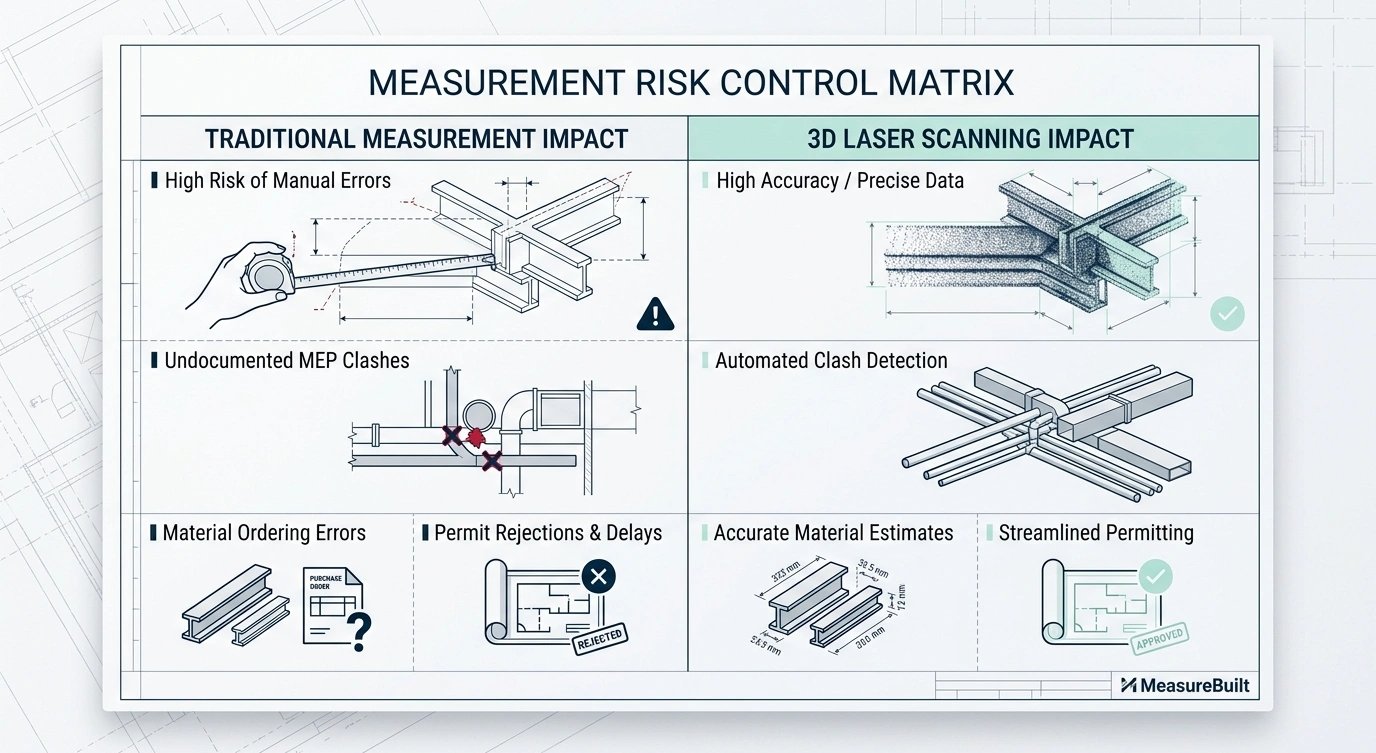
Common problems caused by inaccurate measurements include:
Millwork or cabinetry that does not fit
Structural beams that clash with existing elements
Incorrect floor area calculations
Permit application rejections
Costly construction change orders
In cities like Vancouver, where many buildings were constructed decades ago and have been renovated multiple times, original drawings often do not reflect the current conditions of the building.
Professional building measurement services solve this problem by documenting the exact geometry of the space.
Measurement Technologies Used Today
Not all measuring companies use the same tools or workflows. Understanding the technology used by a company can help you evaluate the quality and reliability of their deliverables.
Traditional Manual Measurements
Traditional measuring methods typically use:
Tape measures
Laser distance meters
Hand sketches
Photographs
These methods can work for smaller spaces but rely heavily on manual interpretation. They also assume walls are straight and corners are square, which is often not the case in older buildings.
For simple projects, manual measurements may be sufficient, but they can become inefficient or risky for larger or more complex renovations.
3D Laser Scanning
Modern measuring companies increasingly use 3D laser scanning technology.
Laser scanners capture millions of spatial data points, creating a digital representation of the building known as a point cloud.
Benefits of 3D scanning include:
High measurement accuracy
Complete capture of irregular geometry
Faster site documentation
Reduced need for repeat site visits
Reliable documentation for complex spaces
3D scanning is particularly useful for:
commercial tenant improvements
heritage buildings
complex interiors
industrial facilities
multi-level residential projects
Many architects and designers now prefer working from laser-scanned data because it provides a much clearer understanding of the building.
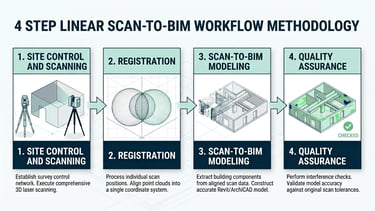
Scan-to-BIM Workflow
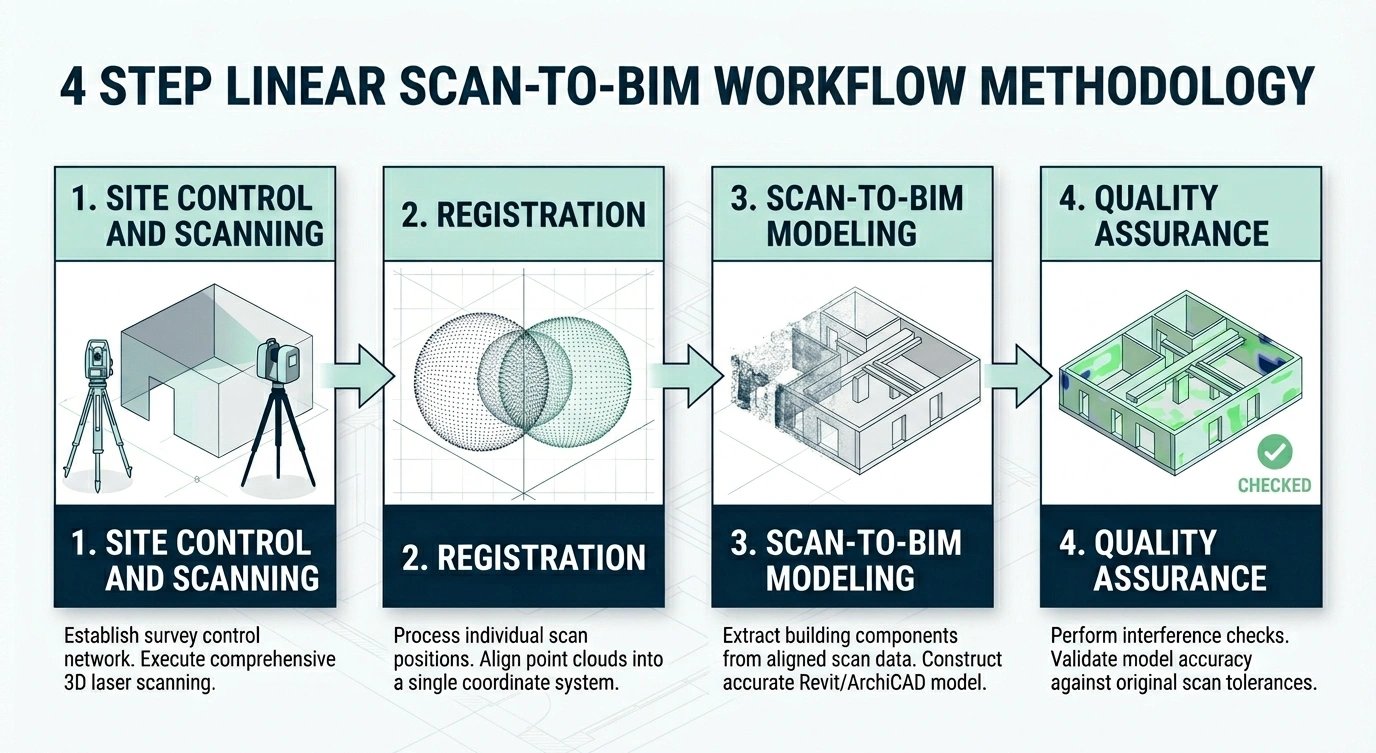
Once scanning data is collected, it can be converted into a Building Information Model (BIM) through a process called Scan-to-BIM.
This workflow involves importing the point cloud into software such as Autodesk Revit or AutoCAD, where technicians create accurate digital models of the building.
Typical deliverables include:
As-built floor plans
Interior elevations
building sections
reflected ceiling plans
3D Revit models
point cloud files
These models allow architects, engineers, and contractors to coordinate their work more efficiently.
When Professional Measuring Services Are Necessary
Some projects benefit significantly from professional building measurements.
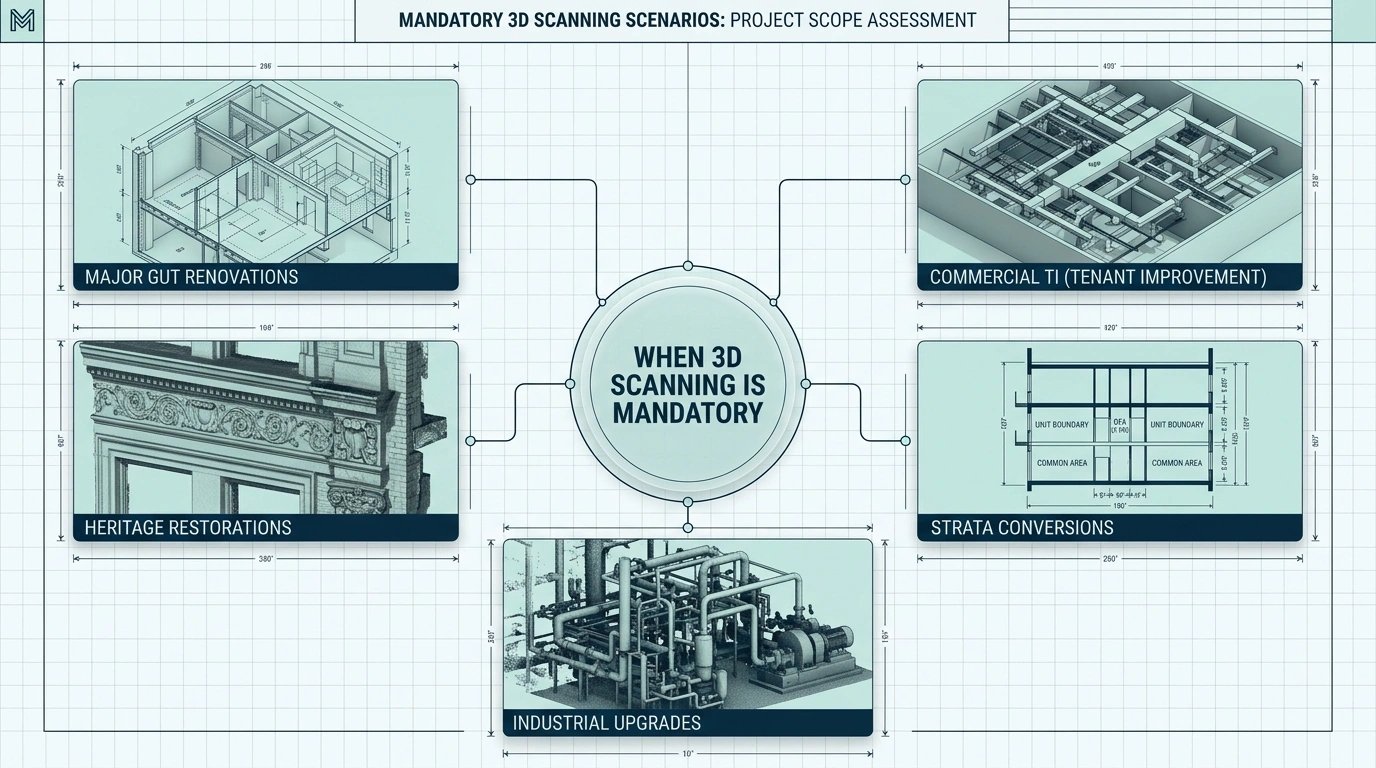
Below are common scenarios where accurate as-built documentation becomes critical.
Residential Renovations
Major residential renovations often involve:
removing interior walls
modifying structural elements
relocating plumbing or mechanical systems
Older homes in Vancouver neighborhoods such as Kitsilano, Mount Pleasant, and East Vancouver frequently have irregular framing and undocumented changes.
Accurate floor plans help designers plan renovations while avoiding conflicts with existing structure and services.
Commercial Tenant Improvements
Commercial spaces typically contain complex overhead systems such as:
HVAC ducts
sprinkler systems
lighting infrastructure
cable trays
When new partitions or ceilings are added, these systems must be coordinated carefully.
Laser scanning captures these elements so designers can avoid conflicts before construction begins.
Heritage Building Renovations
Historic buildings in areas like Gastown and Yaletown often have unique geometry, including curved walls, uneven floors, and ornate architectural details.
Laser scanning allows these complex features to be documented accurately while preserving historical elements.
This information is especially valuable when preparing drawings for heritage approvals.
Multi-Unit Residential Buildings
For strata buildings and multi-family properties, accurate measurements help define:
unit boundaries
common property areas
floor area calculations
Reliable documentation is essential when planning upgrades or renovations that affect multiple units.
Industrial and Large Facilities
Industrial facilities often contain complex piping systems, machinery, and structural components.
3D scanning enables engineers to model existing conditions and plan upgrades without disrupting operations.
This is particularly valuable when fabrication or prefabrication is required.
Deliverables You Should Expect
When hiring a measuring company in Vancouver, it is important to understand what deliverables you will receive.
Common deliverables include:
2D Drawings
floor plans
elevations
building sections
reflected ceiling plans
These are typically delivered in AutoCAD (DWG) and PDF formats.
3D Models
For more complex projects, clients may request 3D BIM models created in software such as Revit.
These models allow designers and engineers to coordinate their work in three dimensions.
Point Cloud Data
Some projects also include delivery of the point cloud, which allows architects and engineers to reference the original scan data.
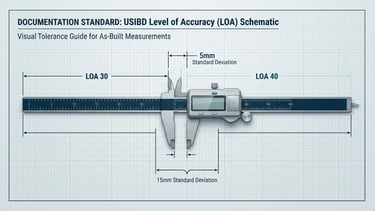
Measurement Accuracy Standards
Professional measurement services follow established accuracy frameworks.
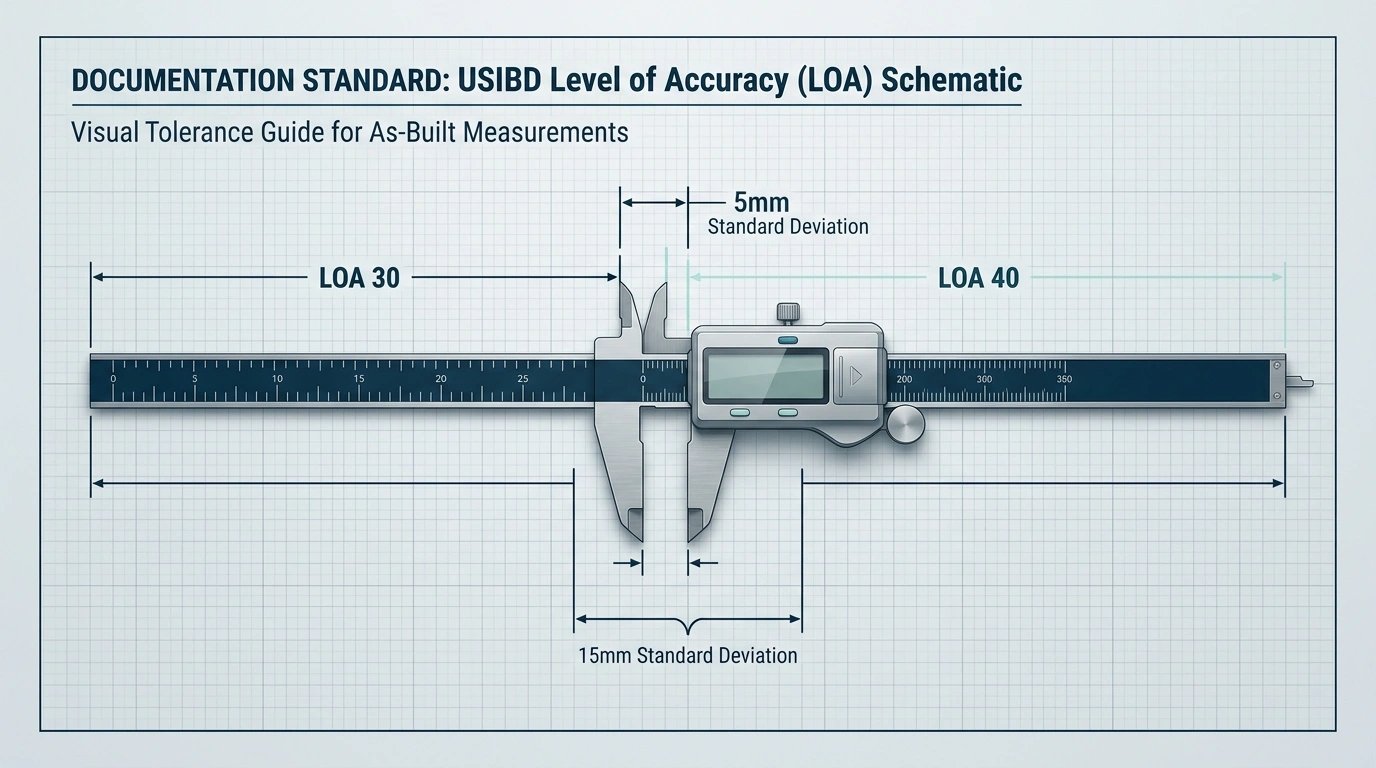
One commonly referenced system is the USIBD Level of Accuracy (LOA) standard.
Typical architectural projects require accuracy levels within:
LOA 30--40, which generally corresponds to deviations of a few millimeters to around one centimeter depending on the project scope.
Accuracy depends on several factors including:
building size
scanning resolution
modeling detail
project requirements
A reputable measuring company will explain the expected accuracy of their deliverables.
Understanding Costs for Building Measurements in Vancouver
The cost of building measurement services varies depending on several factors:
property size
project complexity
level of detail required
deliverables requested
travel and site access conditions
For smaller residential projects, measurement services may involve only floor plans and elevations.
Larger projects such as commercial buildings or industrial facilities may require detailed scanning and BIM modeling, which increases project scope.
The best approach is to request a quote based on your specific project requirements.
Choosing the Right Measuring Company in Vancouver
When evaluating measurement providers, consider the following factors.
Technology
Does the company use modern measurement tools such as 3D laser scanners, or do they rely only on manual measurements?
Deliverables
Make sure the company can provide the drawing formats required by your architect or contractor.
Experience
Look for experience with projects similar to yours, whether residential, commercial, or heritage.
Turnaround Time
Many renovation projects move quickly. A measuring company should be able to provide drawings within a reasonable timeframe.
Communication
Clear communication and responsiveness are essential, especially when multiple consultants are involved in a project.
Measuring Services in Vancouver: The Measure Built Approach
At Measure Built, we specialize in professional building measurement and as-built documentation services across Vancouver and the Lower Mainland.
Our workflow combines modern 3D scanning technology with practical experience supporting architects, interior designers, and contractors.
Our services include:
building measurements and site documentation
as-built floor plans and elevations
3D laser scanning
Scan-to-BIM modeling in Revit
existing conditions drawings for permits and renovations
By providing accurate and reliable documentation, we help project teams begin their design process with confidence.
Frequently Asked Questions
What is the difference between a land surveyor and a measuring company?
A land surveyor is licensed to define legal property boundaries and perform subdivision surveys.
A building measurement company documents the interior and exterior physical conditions of buildings, producing drawings and models used for renovation and design projects.
Do I need accurate floor plans for a Vancouver building permit?
Most renovation and permit applications require accurate floor plans showing the existing conditions of the building. These drawings help demonstrate compliance with zoning regulations and building code requirements.
What is Scan-to-BIM?
Scan-to-BIM is the process of converting 3D laser scan data into a digital Building Information Model (BIM). The model is created in software such as Revit and used for design, coordination, and documentation.
How accurate is 3D laser scanning?
Modern laser scanners can capture measurements with millimeter-level precision. Final model accuracy depends on the project scope and modeling standards.
How long does it take to measure a building?
Smaller residential properties can often be measured within a few hours. Larger commercial buildings may require a full day or multiple site visits depending on complexity.
Contact us
MeasureBuilt
Address
413-8188 Manitoba Street
Vancouver, BC V5X 4L8
Contacts
236-232-3335
emil@measurebuilt.com
When Details Matter!